
AI Is Rewiring Global Investment – And India Is At the Heart of It
Explore how AI infrastructure investment in India is accelerating, driven by data centres, chip manufacturing, and strategic policy support.

Explore how AI infrastructure investment in India is accelerating, driven by data centres, chip manufacturing, and strategic policy support.

🏥 India is building its future—bed by bed, hospital by hospital.
As the healthcare sector surges toward USD 193 billion by 2032, the real challenge lies in infrastructure.
From Tier III towns to super-specialty metros, hospitals now demand high-acuity environments, compliance, and seamless MEP integration.
At Woodkraft Engineering, we’re proud to have delivered over 3 million sq. ft. of healthcare projects—designed, engineered, and built to heal.
💡 Explore our latest insight on the sector’s transformation and why we’re ready to build India’s healthcare backbone:

🚨 India’s Data Centre Boom: What Colliers and Deloitte Are Predicting for 2030
📊 4,500+ MW capacity
💰 $25 billion in new investments
🏢 50M+ sq. ft. of real estate
⚡ 40–45 TWh additional power demand
With AI, cloud, and data localisation reshaping enterprise needs, India is racing to build the digital backbone of the future.
Colliers and Deloitte’s latest reports show a transformation that goes far beyond IT — from energy to engineering, real estate to policy.

🚀 AI, Cloud, and Data Centres: Shaping India’s Digital Future 🌐
As India moves further into the digital age, the growing demand for AI and cloud computing is driving the expansion of India’s data centre market. The country is set to become a global leader in digital infrastructure, with investments in data centres playing a key role in powering AI and cloud technologies.
In our latest article, we explore:
🔹 The impact of AI on India’s industries
🔹 How cloud computing is reshaping businesses
🔹 The rapid growth of India’s data centre market
🔹 Key trends, investment opportunities, and much more
Read more to discover how data centres are fueling India’s digital transformation and driving future growth.
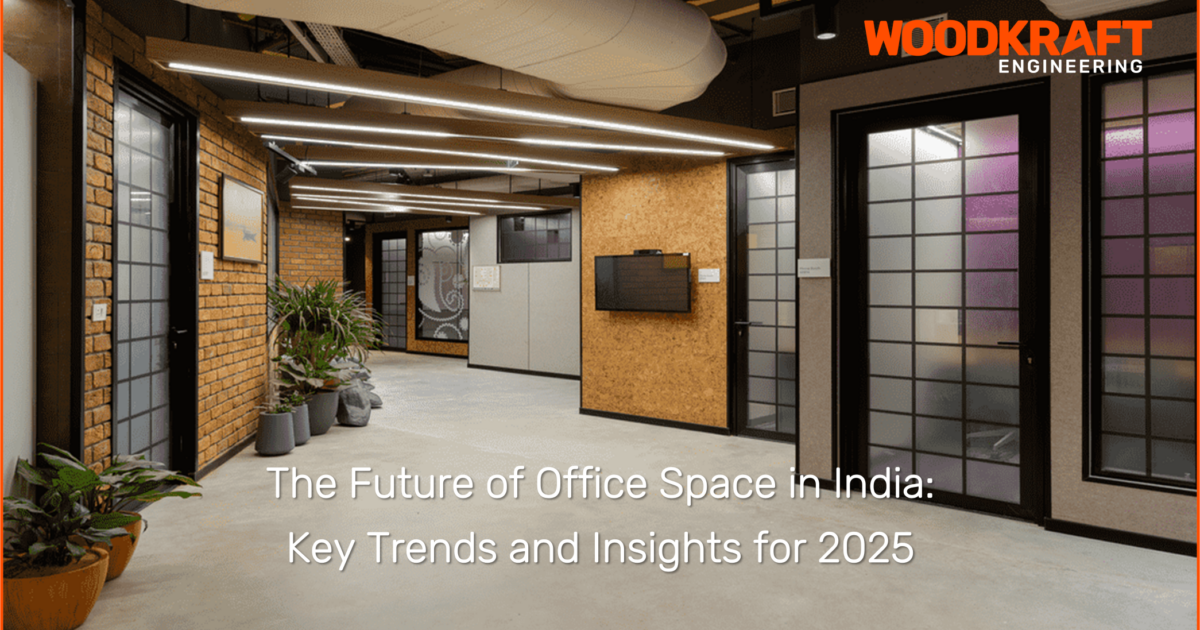
🚀 The Future of Office Space in India: Key Trends and Insights for 2025 🏢
India’s office space market is undergoing a major transformation as we head into 2025. With rapid changes driven by hybrid work models, demand for flexible workspaces, and an increasing focus on sustainability, the landscape of commercial real estate in India is evolving quickly.
Here are some key trends that will shape the future of office space in India:
📈 Post-Pandemic Recovery: Demand for Grade A office spaces is surging, with leasing volumes increasing by 19% YoY in 2024.
🔄 Rise of Flexible Workspaces: The hybrid model has led to a massive increase in demand for co-working spaces, growing by 57.5% in 2024 alone.
🌍 Southern Cities Dominate: Cities like Bengaluru, Hyderabad, and Chennai are seeing significant growth in leasing activity. Bengaluru alone accounted for 25% of India’s leasing volume in 2024.
🌱 Sustainability & Wellness: With more businesses focusing on green buildings and employee wellness, sustainable office spaces are expected to continue rising by 10-15% through 2025.
🌏 Global Demand: GCCs and MNCs are at the forefront, with GCCs accounting for 35.9% of the office leasing market in 2024. The demand for Grade A office spaces will continue to grow in 2025.
💰 Rising Office Rents: As demand increases, rents for prime office locations are seeing an upward trend. Cities like Bengaluru saw an 6% YoY rent increase in 2024.
🔮 Looking Ahead: 65-70 million square feet of office space is expected to be leased across India’s top 6 cities in 2025, driven by the growth of GCCs, flexible spaces, and sustainability initiatives.
As the office market continues to evolve, businesses that stay ahead of these trends will be well-positioned for success.

In 2024, India’s office leasing market experienced strong growth, driven by the rise of Global Capability Centres (GCCs) and flexible workspaces. Key cities like Bengaluru, Hyderabad, and Delhi-NCR saw record leasing activity, with premium office spaces remaining in high demand. The market was characterized by substantial leasing volumes, but challenges such as oversupply and vacancy rates in certain cities could pose risks moving forward. This article explores the key trends, challenges, and outlook for India’s office leasing market in 2024.

India’s office market is having an extraordinary year, with record-breaking leasing volumes and unprecedented demand across major cities. Driven by thriving technology and BFSI sectors, a strong push for sustainable workspaces, and the growing dominance of Global Capability Centers, India’s office landscape is transforming rapidly. This article dives into the numbers, trends, and future outlook shaping one of the world’s most dynamic office markets—revealing why businesses are flocking to flexible, high-quality spaces across both metro hubs and emerging cities.
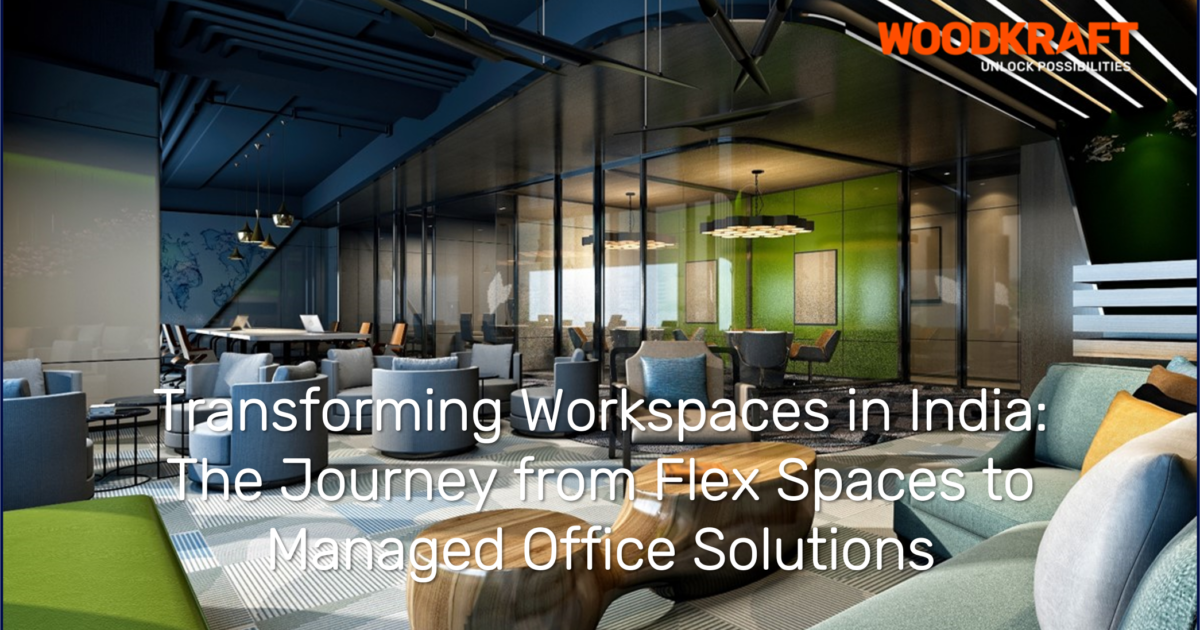
Explore the driving factors behind India’s record-breaking office leasing market in 2024. Learn about the role of GCCs, Bengaluru’s growth, and sectoral contributions.

India’s office market is having an extraordinary year, with record-breaking leasing volumes and unprecedented demand across major cities. Driven by thriving technology and BFSI sectors, a strong push for sustainable workspaces, and the growing dominance of Global Capability Centers, India’s office landscape is transforming rapidly. This article dives into the numbers, trends, and future outlook shaping one of the world’s most dynamic office markets—revealing why businesses are flocking to flexible, high-quality spaces across both metro hubs and emerging cities.
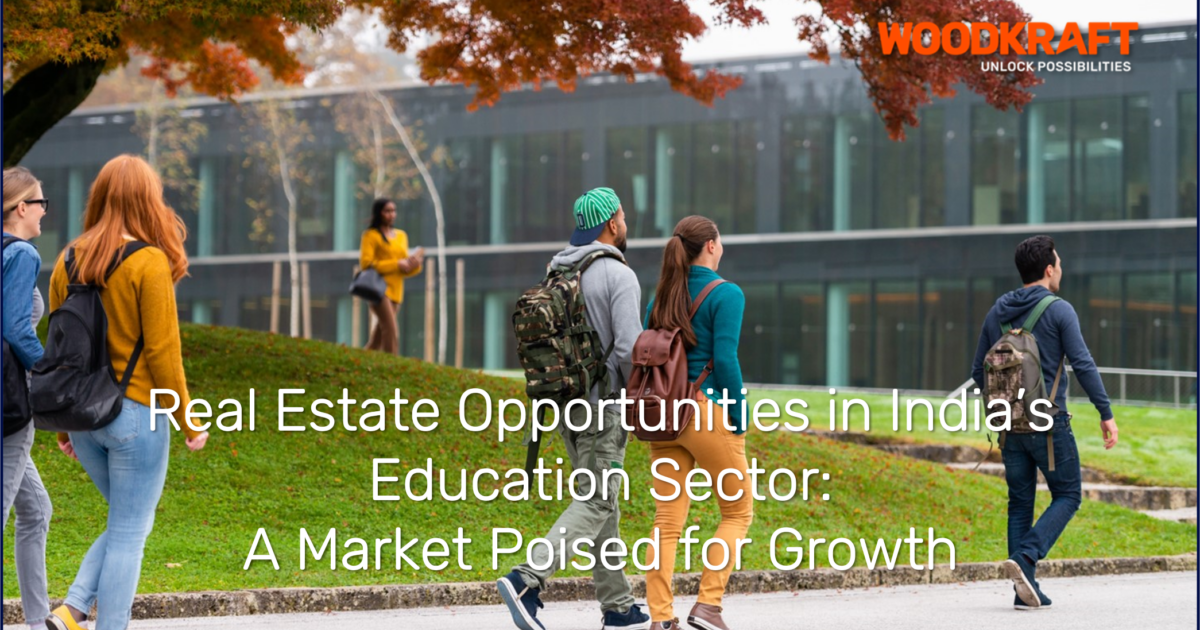
🚀 Exploring India’s Education Sector Real Estate Boom! 🚀
India’s education sector is poised for remarkable growth, with projected real estate demand exceeding 4 billion sq. ft. by 2035. Based on insights from the latest CBRE report, our article uncovers unique opportunities for developers, investors, and educational institutions.
Discover: 📈 Key growth drivers in education real estate
🏙️ The rise of Tier-2 and Tier-3 cities as educational hubs
🌱 Trends in sustainable and inclusive infrastructure
🏢 Expanding opportunities across K-12, higher education, and student housing